As the cold weather persists across British Columbia, families are spending the vast majority of their time indoors. While we keep our windows tightly shut to preserve heat, we also trap a variety of pollutants inside our living spaces. This February, the British Columbia Centre for Disease Control (BCCDC) has noted a significant spike in seasonal flu and respiratory virus activity. When indoor air is stagnant, the concentration of dust, pet dander, and lingering allergens increases, potentially aggravating respiratory health during the height of the viral season.
Understanding the Winter Air Trap
Modern homes in British Columbia are built to be highly energy efficient. While this is excellent for your heating bill, it means that there is very little natural air exchange during the winter months. The air inside a typical home can be up to five times more polluted than the air outside. As the furnace runs continuously, it circulates fine particulate matter throughout every room.
The most common indoor pollutants during a BC winter include:
The Connection Between Hygiene and Respiratory Health
The recent data from the BCCDC highlights the importance of maintaining a sanitized environment to combat the spread of illness. When someone in the household is sick, viral particles settle on surfaces and can remain active for hours or even days. Furthermore, a high concentration of dust and allergens can irritate the lungs and nasal passages, making individuals more susceptible to infections.
Eliminating these triggers requires more than a simple dusting. It requires a deep cleaning strategy that targets the reservoirs where these pollutants hide. Standard vacuum cleaners often lack the filtration necessary to trap fine particles, instead blowing them back into the air where they can be inhaled.
Strategies for a Healthy Spring Transition
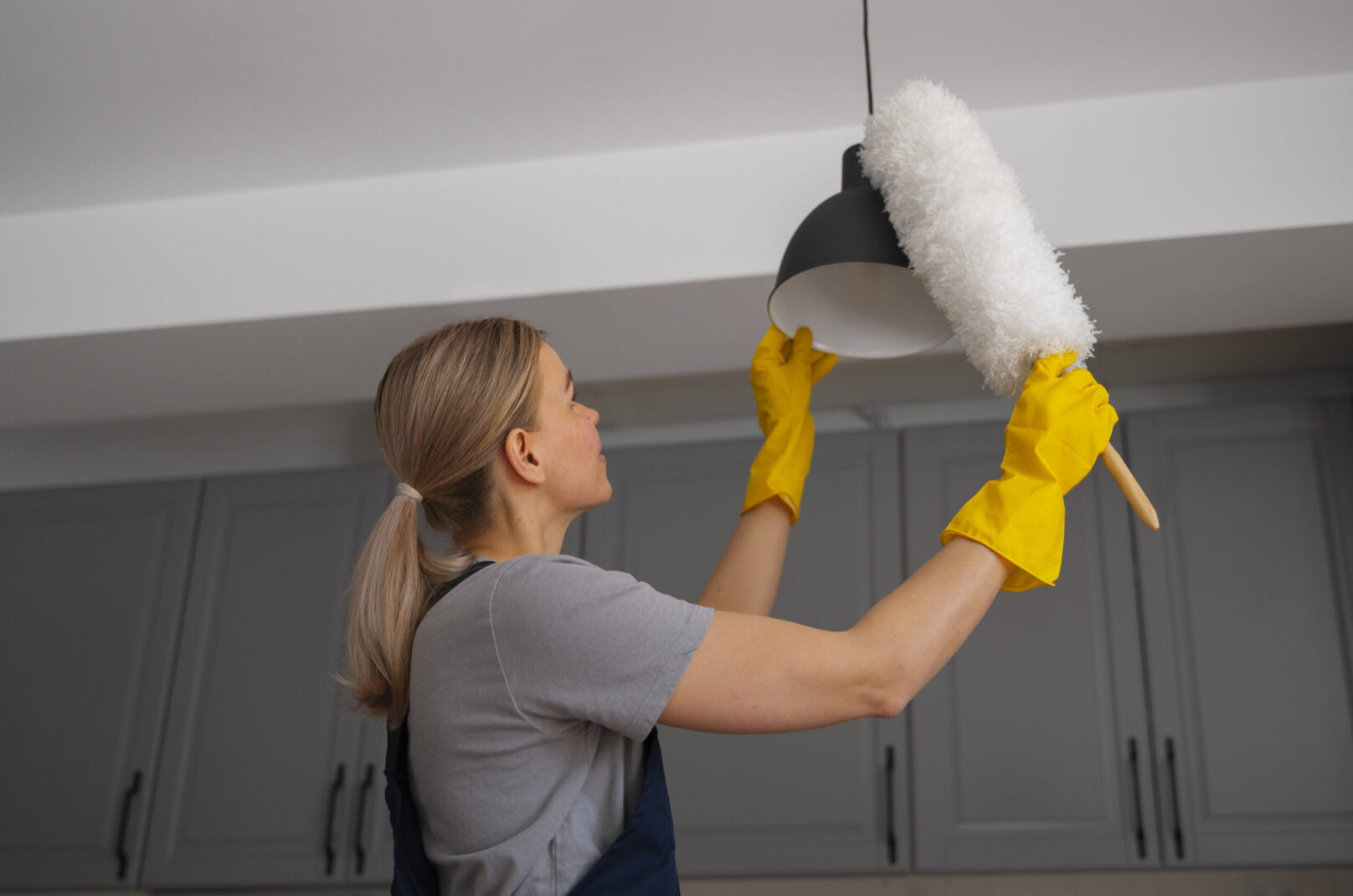
As we prepare for the transition to spring, now is the time to perform a comprehensive environmental reset. This process should focus on removing the “winter coat” of dust that has settled on high ledges, ceiling fans, and inside ventilation covers.
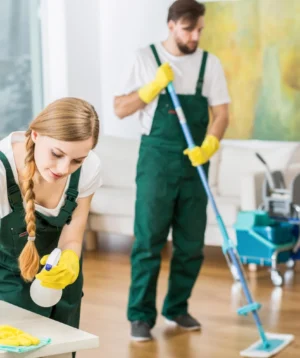
A professional approach involves the use of HEPA (High Efficiency Particulate Air) filtration systems. These vacuums are designed to capture 99.97% of particles as small as 0.3 microns. By using this technology, Zenith Hygiene Plus ensures that the dust is actually removed from the home rather than redistributed. We also pay close attention to window tracks and baseboard heaters, which are prime locations for the accumulation of moisture and debris.
Creating a Sanctuary of Health
By prioritizing indoor air quality now, you are setting your family up for a healthier spring. Removing the buildup of winter allergens reduces the total toxic load on the immune system. This proactive approach is an essential part of a modern wellness routine for BC families who are concerned about the seasonal trends reported by health officials.
Frequently Asked Questions
Why is indoor air quality worse in the winter?
Indoor air quality drops in the winter because homes are sealed to keep out the cold. Without the ventilation provided by open windows, pollutants like dust, pet dander, and chemicals from household products become concentrated in the air.
Can a professional cleaning help reduce the spread of the flu?
Yes. Professional cleaning involves sanitizing high touch surfaces such as doorknobs, light switches, and remote controls. Using hospital grade disinfectants can significantly reduce the viral load on surfaces within the home.
What is a HEPA filter and why does it matter?
A HEPA filter is a specialized type of air filter that traps very small particles that other vacuums might miss. It is essential for removing allergens and fine dust, ensuring that the air exhausted by the vacuum is cleaner than the air it took in.
Should I clean my air vents during the winter?
It is highly recommended. Dust and debris settle inside vent covers and on the fins of baseboard heaters. When the heat turns on, these particles are blown into your breathing zone. Cleaning these areas is a vital step for healthy indoor air.
How often should a deep health clean be performed?
For families with pets or individuals with allergies, we recommend a deep health clean at least once every three months, especially during the transition between major seasons like winter and spring.